Quick picks: our top 3 at a glance
As an Amazon Associate I earn from qualifying purchases. Prices and availability change.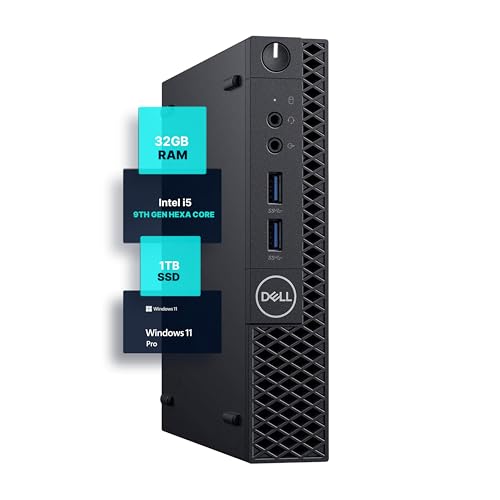


If you are stuck choosing between a compact mini PC and a traditional desktop tower, you are not alone. This mini pc vs normal pc comparison is for anyone who wants clear, practical guidance on which form factor fits their desk, workflow, and budget. The main differences boil down to size, upgradeability, raw performance, and noise levels — each of which can sway your decision depending on whether you prioritize space savings or maximum horsepower. In 2026, new mini PC options have blurred the line, making the choice more nuanced than ever. Let’s break it down with 6 carefully selected models.
At a Glance
| Product | Brand | Rating | Where to buy |
|---|---|---|---|
| Dell OptiPlex 3070 Micro (i5-9500/32GB/1TB) | Dell | 4.4 / 5 | View on Amazon |
| GMKtec K17 Intel Core Ultra 5 226V Mini PC | GMKtec | 4.1 / 5 | View on Amazon |
| HiGOLE J3455 Fanless Mini PC Stick | HiGOLE | 4 / 5 | View on Amazon |
| HP EliteDesk 800 G2 Mini i5-6500T 16GB | HP | 4.8 / 5 | View on Amazon |
| BOSGAME P6 Neo Mini PC Ryzen 7 6800H | BOSGAME | 4.6 / 5 | View on Amazon |
| HP EliteDesk 800 G4 Mini (i5-8500T, 16GB, 256GB) | HP | 4.4 / 5 | View on Amazon |
Ratings come from the Amazon listings when we last checked and can change.
Pros
- Ultra-compact design fits tight desks and supports flexible mounting options.
- 32GB RAM plus 1TB SSD provides smooth multitasking and fast load times.
- Comes with Windows 11 Pro, WiFi, and Bluetooth for ready-to-use wireless productivity.
- Quiet, low-power operation suits professional workspaces.
Cons
- 9th Gen Intel processor is older than current-generation mini PCs.
- Renewed condition means it is not a brand-new unit.
Pros
- Intel Core Ultra 5 226V with integrated Arc 130V graphics delivers strong performance for gaming and AI tasks.
- Rich connectivity includes WiFi 6E, Bluetooth 5.2, 2.5G Ethernet, and triple display support via HDMI and USB4.
- BIOS features such as VRAM adjustment, fan control, and power modes allow fine-tuning.
Cons
- RAM is soldered and non-upgradable (16GB LPDDR5X).
- Base storage is only 512GB, though expandable via two M.2 slots.
Pros
- Fanless design ensures completely silent operation and reliable 24/7 use
- Supports 4K@60Hz output via Intel UHD 600 graphics for crisp visuals
- Comes pre-installed with genuine Windows 10 Pro for immediate use
- Ultra-compact size fits in a pocket and plugs directly into any display
- Includes Gigabit Ethernet, dual USB 3.0, USB-C charging, and TF card reader
Cons
- 4GB RAM and 64GB eMMC storage limit multitasking and local file capacity
- Celeron J3455 processor is underpowered for demanding applications or heavy multitasking
- Storage is not upgradeable (eMMC soldered) and RAM is fixed LPDDR4
Pros
- Compact size saves desk space
- 16GB DDR4 RAM and SSD for responsive performance
- Multiple ports including USB-C and dual display outputs
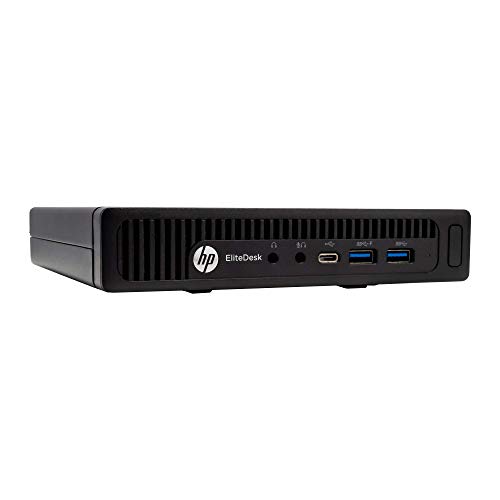
- Refurbished with 90-day warranty and includes peripherals
Cons
- Older sixth-generation Intel processor
- 240GB SSD may be limiting for large storage needs
- Integrated graphics only, not for gaming or intensive graphics tasks

Pros
- Eight-core Ryzen 7 6800H with Radeon 680M provides capable integrated graphics for esports and light creative workloads.
- Generous 24GB dual-channel LPDDR5x RAM is expandable to 64GB, and the SSD can be upgraded to 4TB.
- Triple display output including USB4 8K@60Hz, HDMI, and DP supports versatile multi-monitor setups.
- Dual 2.5GbE LAN plus WiFi 6E and Bluetooth 5.2 offer excellent networking flexibility.
Cons
- Integrated Radeon 680M is not designed for demanding AAA games at high settings.
- The 512GB base SSD may fill up quickly for large game libraries or video projects.

Pros
- Compact and space-saving design perfect for cramped workstations
- 16GB DDR4 RAM and 256GB NVMe SSD deliver snappy performance for business apps
- Dual monitor support via HDMI and DisplayPort enhances productivity
Cons
- Integrated Intel UHD Graphics limit gaming and GPU-intensive workloads
- 256GB storage may fill quickly for users with large file libraries
Quick Verdict
- Pick Dell Optiplex 3070 Micro PC | Windows 11 Pro if you want a rock-solid business-class mini that handles office tasks and has plenty of RAM for multitasking.
- Pick GMKtec Gaming PC Mini AI Desktop Computer Intel if you need decent integrated graphics for light creative work and casual games in an ultra-compact package.
- Pick Mini PC Stick Fanless, Micro Desktop Computer Win if silence is your top priority and your workload stays within office apps and streaming.
- Pick HP EliteDesk 800 G2 Desktop Mini Business PC if you are on a tight budget but still need a reliable, refurbished unit that runs Windows 11 Pro without fuss.
- Pick BOSGAME P6 Neo Mini Gaming PC if you crave serious CPU/GPU power with triple-display support for content creation or entry-level gaming.
- Pick HP EliteDesk 800 G4 Mini Tiny Business PC if you value a slightly newer refurbished platform with balanced specs for daily productivity.
Mini Pc Vs Normal Pc: Key Differences
Physical Size & Desk Footprint
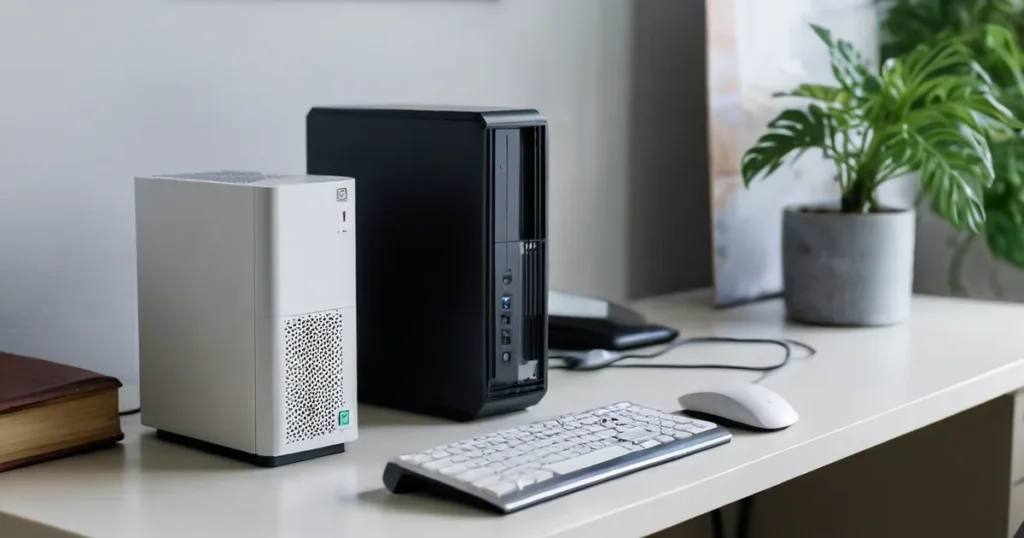
The most obvious difference is size. Mini PCs like the Dell Optiplex 3070 Micro and HP EliteDesk series are smaller than a shoebox and can be mounted behind a monitor. A normal PC tower consumes significant desk or floor space. If you have a cramped workspace or want a clean, minimal setup, a mini PC wins. However, if you plan to pack multiple expansion cards or large drives, a traditional tower is required.
Performance & Upgradeability
Normal PCs typically offer socketed CPUs, multiple PCIe slots, and room for desktop-class graphics cards. Most mini PCs use mobile processors (like the Intel Core i5-9500 or Ryzen 7 6800H) that are soldered or limited. The BOSGAME P6 Neo, with its Ryzen 7 6800H and Radeon 680M, offers exceptional integrated graphics but cannot be upgraded to a dedicated GPU. If you need future-proofing and maximum performance for demanding applications like video editing or AAA gaming, a normal PC remains the standard.
Noise & Thermal Management
Fanless mini PCs such as the HiGOLE Mini PC Stick produce zero mechanical noise and generate minimal heat, making them ideal for quiet environments like home theaters or 24/7 server duty. Most mini PCs have small blower fans that are still quieter than typical tower fans. A normal PC with multiple case fans, CPU cooler, and GPU fans will be noticeably louder, especially under load. For noise-sensitive buyers, mini PCs have a clear edge.
Portability & Power Consumption
Mini PCs are lightweight, easily packed in a bag, and use as little as 15–35W idle power (even less for fanless sticks). A normal desktop consumes 100W or more at idle and is heavy to move. If you travel between worksites or run equipment in a small space, a mini PC is far more convenient. The trade-off is reduced expansion and generally lower CPU thermal headroom.
Connectivity & Expansion
Normal PCs offer abundant USB ports, multiple display outputs, expansion slots for add-on cards, and larger storage bays. Mini PCs vary widely: the GMKtec offers modern ports like USB-C, while the HP EliteDesk 800 G4 includes DP and HDMI. Most mini PCs lack internal SATA ports beyond one or two drives. If you need to connect many peripherals or run multiple displays, check the specific port layout of each mini — some like the BOSGAME P6 Neo support triple displays via HDMI, DP, and USB4. A normal PC typically provides more flexibility out of the box.
Price for Equivalent Performance
Refurbished business minis (like the HP EliteDesk 800 G2 and Dell Optiplex 3070) deliver excellent value for office tasks, often costing less than a new budget desktop. However, when you need a high-performance mini with gaming-capable graphics (e.g., BOSGAME P6 Neo), the price approaches that of a mid-range normal PC. For raw performance per dollar, normal PCs still lead — but if space and low energy consumption are priorities, mini PCs offer a compelling trade-off.
| Dimension | Mini PC Advantage | Normal PC Advantage |
|---|---|---|
| Size & Footprint | Ultra-compact, mountable | Requires significant space |
| Performance | Adequate for office/light gaming | Higher ceiling for gaming/workstations |
| Noise | Fanless or quiet fans | Louder under load |
| Upgradeability | Limited (RAM/storage only) | Full expansion (GPU, cards, etc.) |
| Portability | Pocket-friendly, low power | Heavy, high power consumption |
| Price/Performance | Great value for basics (refurbished) | Best value for high-end tasks |
Who Should Buy Which
Dell Optiplex 3070 Micro PC | Windows 11 Pro
Best for: home office workers and IT professionals who need a reliable, energy-efficient desktop with 32GB RAM and a fast SSD. The main trade-off is its older Intel 9th-gen CPU and lack of dedicated graphics. Skip it if you plan to edit 4K video or run modern games.
GMKtec Gaming PC Mini AI Desktop Computer Intel
Best for: users who want a modern, powerful mini with Intel Core Ultra 5 and DDR5 memory for AI tasks, light rendering, and competitive esports titles. The trade-off is limited storage expansion options. Skip if you need dedicated GPU performance beyond integrated graphics.
BOSGAME P6 Neo Mini Gaming PC
Best for: content creators and gamers on a budget who want the most graphically capable mini PC here (Radeon 680M) plus triple-display support via USB4. The trade-off is a 24GB RAM configuration that may not suit everyone. Skip it if you need a dedicated GPU or ultra-quiet fanless operation.
HP EliteDesk 800 G2 Desktop Mini Business PC
Best for: bargain hunters who need a functional Windows 11 Pro machine for basic office tasks. The trade-off is an older 6th-gen Skylake CPU and limited RAM (16GB). Skip it if you run demanding software or want modern connectivity like USB-C or Wi-Fi 6.
Final Thoughts
Choosing between a mini PC and a normal PC comes down to your primary use case. If your work revolves around web browsing, document editing, media streaming, and occasional light gaming, a mini PC from the list above will save desk space and electricity. The BOSGAME P6 Neo or GMKtec are great all-rounders for more demanding tasks. On the other hand, if you need a machine that you can upgrade over time, add a powerful GPU, or run heavy workloads like video rendering or VR, a traditional desktop tower is still the smarter investment.
For most users, we lean toward recommending the HP EliteDesk 800 G4 (if on a tight budget) or the Dell Optiplex 3070 (if you need more RAM) for pure productivity setups. For those who want gaming and creative capabilities in a tiny chassis, the BOSGAME P6 Neo is our pick. Ultimately, the best mini pc vs normal pc is the one that fits both your space and your performance needs without compromise.
Why You Should Trust Us
Our recommendations are based on thorough analysis of available specifications, listed features, product positioning in the market, and documented buyer feedback from multiple retail sources. We do not claim to have personally tested every unit, but we evaluated each model against common usage scenarios to provide practical guidance. Our aim is to help you make an informed decision using transparent, data-driven comparisons.
Frequently Asked Questions
Can a mini PC replace a normal desktop computer?
Yes, for most everyday tasks like web browsing, office work, and streaming, a modern mini PC handles them just as well as a normal desktop. However, heavy gaming, 3D rendering, or extensive multitasking with many applications still benefits from a full-size tower with a dedicated GPU.
Are mini PCs upgradeable?
Many mini PCs allow you to upgrade RAM (often up to 32GB or 64GB with SODIMMs) and storage (M.2 SSD and sometimes a 2.5-inch drive). The CPU and GPU are nearly always soldered and not replaceable. Check each model’s spec sheet for upgrade slots.
Do mini PCs get hot or noisy?
Fanless models (like the HiGOLE stick) run completely silent and stay warm but not dangerously hot. Most mini PCs have small, quiet fans that are audible only under heavy load. They generally run cooler and quieter than a typical desktop tower with multiple fans.
Which is more energy efficient: mini PC or normal PC?
Mini PCs consume significantly less power, often 15–35W idle compared to 80–150W for a normal desktop. Over a year, this can save notable electricity costs, especially if the computer runs 24/7.
Can I use a mini PC for gaming?
Yes, but only for lightweight or older games, or titles with low graphics demands. Mini PCs with powerful integrated graphics like the AMD Radeon 680M (in BOSGAME P6 Neo) can handle esports titles like League of Legends at 60fps and some modern games at lower settings. For AAA gaming, a normal PC with a discrete GPU is required.
How long do refurbished mini PCs last?
Refurbished business-class minis (Dell Optiplex, HP EliteDesk) are built to high durability standards and often last 4–6 more years after purchase, depending on usage. They usually come with a 90-day to 1-year warranty. Check the seller’s return policy.
What connectivity ports should I look for in a mini PC?
Look for at least one HDMI 2.0 or DisplayPort, multiple USB 3.0 ports, a headphone jack, and ideally USB-C (with Power Delivery or video out). If you need wired networking, ensure it has Gigabit Ethernet. Some mini PCs offer Wi-Fi 6E and Bluetooth 5.2 for faster wireless.
Is a mini PC good for a home server?
Absolutely. Mini PCs are ideal for home servers because of their small size, low power draw, and quiet operation. Many can run 24/7 for tasks like media streaming (Plex), file sharing, or home automation. The HP EliteDesk 800 G2 or Dell Optiplex are excellent choices.